Fees - CRM3 is coming
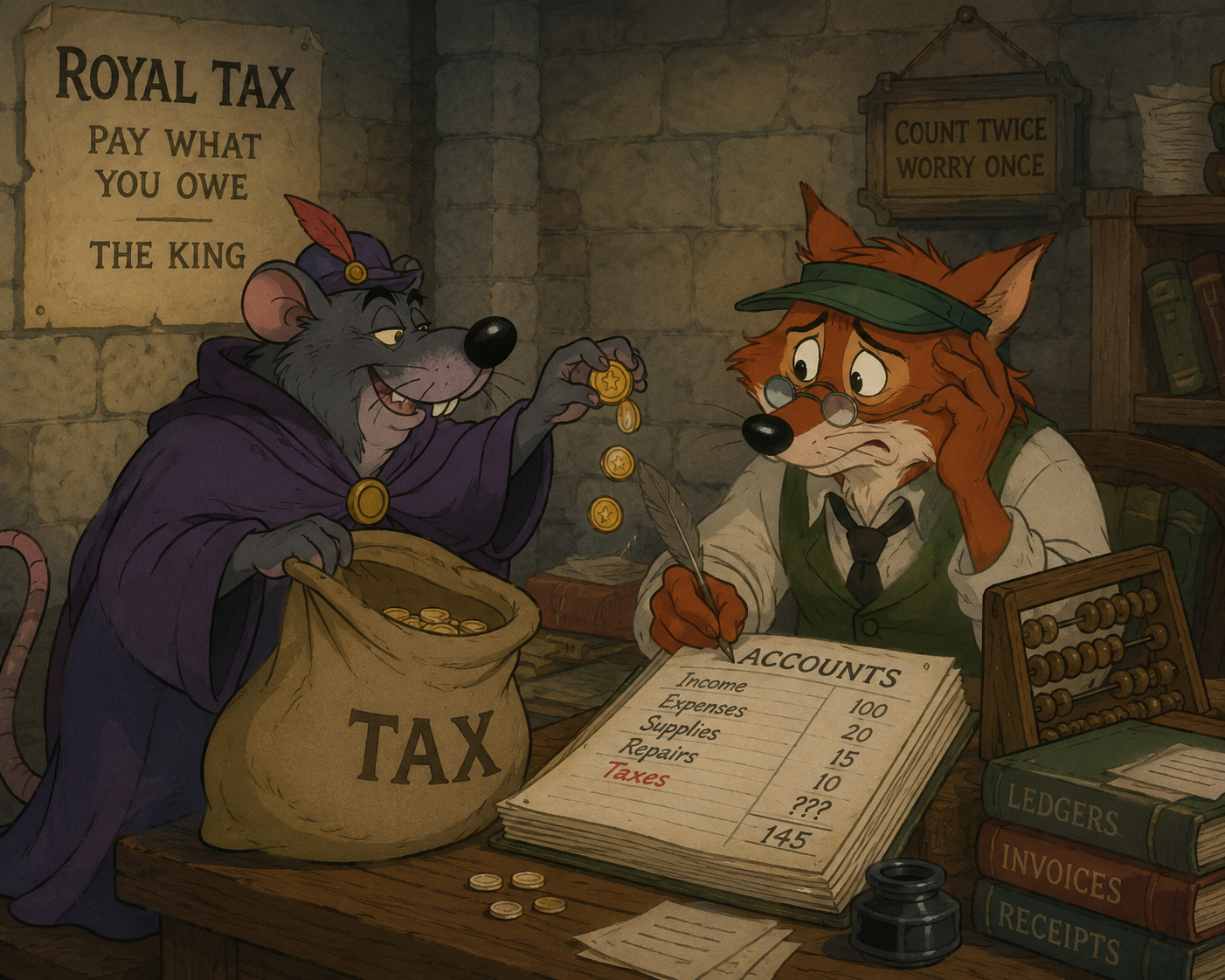
What is CRM3? (from Chat GPT)
It stands for Client Relationship Model – Phase 3, also called Total Cost Reporting (TCR).
What changes? Before CRM3, investors mainly saw:
– Advisor fees
– Trading commissions
– Other direct account charges
With CRM3, you’ll also see the embedded costs inside mutual funds, ETFs, and segregated funds, including:
– Management fees (MER)
– Fund operating expenses
– Trading expenses within the fund (TER)
All of these costs will be shown in actual dollars, not just percentages.
Before I explain anything more:
I want it to be clear the Net return after fees should be everyone’s focus. I think everyone should be willing to pay $10 more in fees if it means you get $25 more in returns. It doesn’t make any sense to reduce your fee to $5 if you net -$5 in returns. The goal is to grow the money.
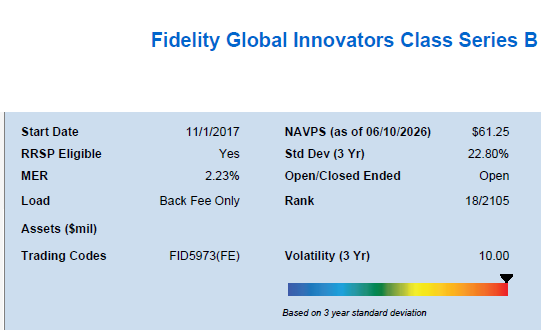
B-Series Funds
The total cost of the fund will depend on the type of underlying investment. Equity and particular Global Equity funds charge the most as the cost of research is significantly more.
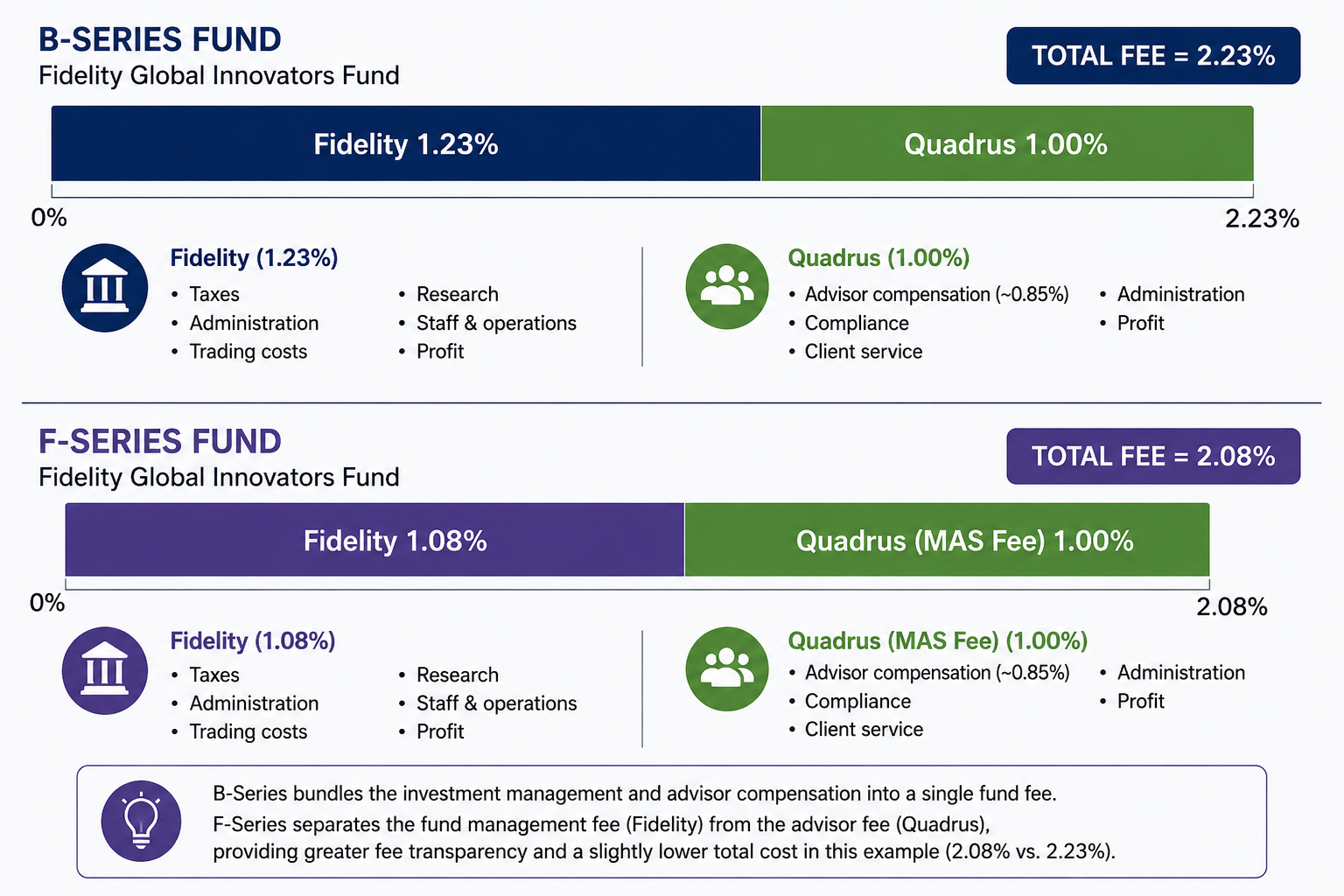
Fidelity Global innovators – B series is above. It has all the fees together in the MER.
From this 2.23% fund.
– 1.23% goes to Fidelity (they pay the taxes, Admin fees, cost of buying and selling, Salaries and profit from this amount)
– 1.00% goes to IPC Wealth Inc. (they pay me .6% plus bonus (total .85%) and keep the rest for their expenses and profit)
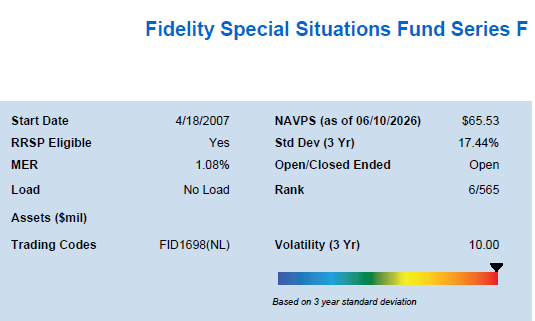
F-Series Funds
In F series we separate the Broker ( IPC Wealth Inc.) from the fund Company (Fidelity)
This is a newer way of charging fees and used to only be available to clients with more than $1 Million dollars of assets. That has come down every year. Our office has been moving all clients over $250,000 of asset to F series.
Fidelity Global innovators – F Series
From this 1.08% fund.
– 1.08% goes to Fidelity (they pay the taxes, Admin fees, cost of buying and selling, their people and profit from this amount)
Then we sign a MAS fee agreement and agree on a commission for the broker. Let’s assume we keep 1.0%
– 1.00% goes to IPC Wealth Inc. (they pay me .6% plus bonus (total .85%) and keep the rest for their expenses and profit) – NOTE: This switch creates a lot of extra paperwork that is generally just confusing. Most people go paperless to avoid getting mail with every PAC purchase or transaction.
Total Fee – 2.08%
One sales pitch I have been hearing from disingenuous advisors of late is that they can save you fees, as their fee is only 1%. That is certainly not the whole story. Given the case study above, they are only speaking to their personal fee and not the cost to own any underlying asset.
The MAS fee is negotiable.
My office has developed a template for clients with more assets to provide discounts as they grow assets with us:
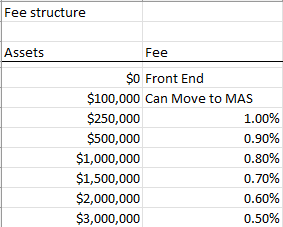
The switch to reduce fees is generally completed at an annual review. As we all know the market and fund values can fluctuate over time, however please reach out if you are due for a change.
As for what is covered from our end of the fees. I am an independent advisor and as such all my expenses need to be covered:
Nadine’s salary, office space, printers, computers, internet, insurance, technology security, accounting and legal fees , etc.